 Bill Belichick’s résumé is overwhelming. Two decades of dominance with the New England Patriots. Six Super Bowl wins. Nine conference titles. This year was his first opportunity to be voted into the Pro Football Hall of Fame. Actual induction the first time one is eligible is considered the supreme honor. On paper, Belichick felt like a first-ballot lock.
The Hall’s selectors are a 50-person committee, heavily made up of media representatives, and the math is blunt: you need 40 votes. Belichick got 39. To be clear, 11 out of 50 voters—more than 20%—did not include Bill Belichick on their ballots. Obviously, six Super Bowls didn’t automatically open the door. The key still had to be turned by human beings.
Despite all the famous people from Tom Brady to Donald Trump being outraged and confused by this outcome, there exists a hard lesson our children need to understand. Belichick didn’t miss being a first ballot Hall of Famer because he didn’t win enough games. He missed it because he didn’t win enough people.
 For most of his career, Bill Belichick treated the press like an annoyance. Short answers. Cold stares. Open contempt for questions he didn’t want to answer…
Reporters were often met with visible irritation. Press conferences were brief, cold, dismissive, and condescending.
Bill Belichick built a legend for himself while burning bridges to other people. And when it came time for the Hall of Fame vote, those bridges mattered.
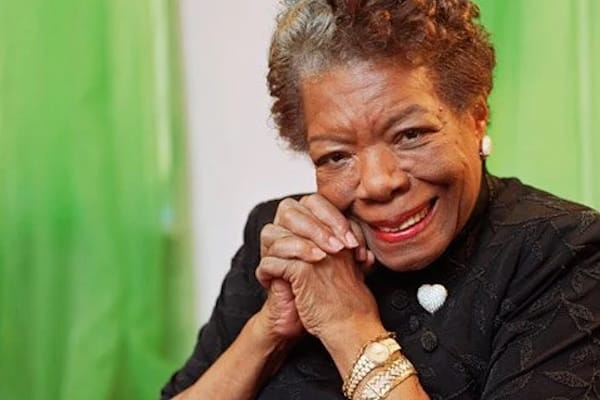
The iconic poet, Maya Angelou once famously remarked, “I’ve learned that people will forget what you said, people will forget what you did, but people will never forget how you made them feel.”
And Bill Belichick made the press feel unworthy. His one or two word answers, delivered in a monotone without eye contact, were designed to make a reporter feel stupid.
Well, sports reporters are not only influenced by statistics. As human beings, they are also greatly influenced by personal experiences. By attitude and tone. By memories of how they were treated.
 This year’s Hall of Fame vote isn’t necessarily about revenge or pettiness. If it was, you’d have already heard 11 people bragging about keeping him out.
The verdict this vote delivered is about a deeper reality, which is that “access”—to everything but Heaven—is granted by people. No matter how talented or good looking you are, a person—often many people—holds the key to wherever it is you desire to enter.
That’s the lesson many young professionals are missing. And one our children desperately need to hear and understand.
Talent or skill will get you noticed and performance will get you promoted, but relationships will determine how far you ultimately rise. The world likes to tell ambitious people that results are everything. They are not. Results are an essential part of your life’s body of work, but reputation—how others view you through their life’s lens—figures heavily in that mix as well.
If you’ve kept an eye on the Hall of Fame through the years, you are aware that victories compound over time. Now you have proof that something else compounds over time: the way you make others feel.
 That’s the part of this equation young people need to understand: Performance is required, but it is not always enough. “Being right” and “being great” won’t protect you from the consequences of being mean, difficult or disrespectful—especially to the very people who control access to the room you want to enter.
Belichick’s career shows that excellence without warmth can still win championships. His Hall of Fame vote, however, reveals something else…you can dominate your industry and still find yourself on the outside, looking in, because of a judgment from those you once dismissed.
This isn’t an article to encourage groveling. It’s about choosing wisdom. Treating people well is not only the right thing to do; it’s a life and business strategy.
The culture you choose—for yourself, your family, or at work—is a long game. One never knows which small relationship will later become the gate to the city.
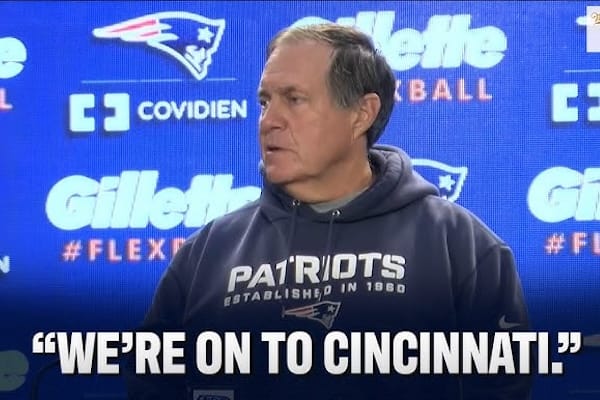 Belichick’s own reaction to the Hall of Fame snub is curious and sad. He claims to be “puzzled” and “disappointed.” He questioned the decision by asking, “Six Super Bowls are not enough? What does a guy have to do?”
Bill Belichick built a football dynasty on details—yet there is one detail he ignored that matters in every profession. Stated in context, it is simply this: One cannot spend decades making people feel small and expect them to feel generous when your moment arrives.
Bill Belichick coached in the NFL for 49 seasons famously focused only on the next opponent. Sadly, he seems never to have understood that the people he consistently demeaned would one day write the story of his career.
The takeaway for young leaders…?
You may have elite skills. You may outwork everyone in the room. You may produce results that are undeniable. But if you consistently treat people as obstacles instead of partners—if you make others feel small, ignored, or dismissed—you are quietly narrowing the doors to your own future.